Selling an Older Des Moines Home? Prepare Before You List
August 13, 2026
August 13, 2026
Say a buyer spends a Saturday morning touring new construction in Grimes. The builder mentions, almost in passing, that the house comes with a radon mitigation system already installed under the slab. It's not a selling point exactly. It's just there, like the furnace or the water heater, because the state now requires it.
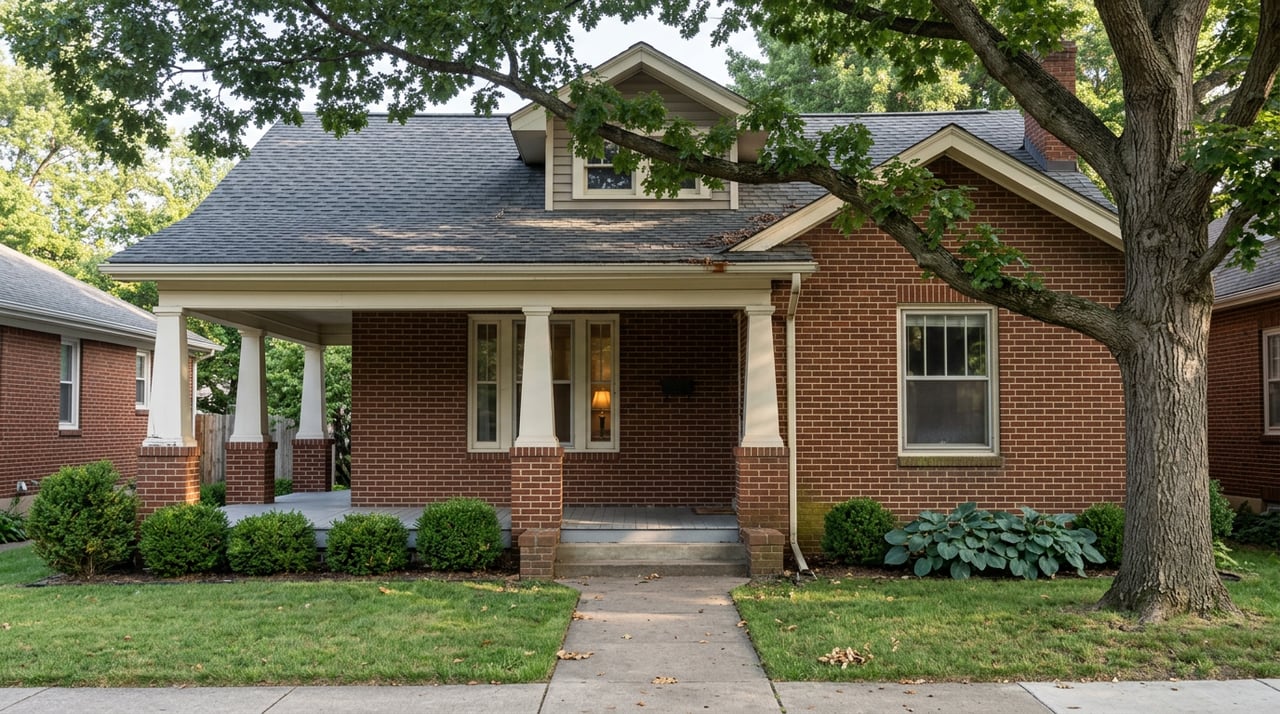
That same buyer spends the afternoon walking through a 1938 bungalow in Beaverdale. Original hardwood. A porch that catches the evening light. No radon system, because nobody who built this house in 1938 had ever heard the word radon, let alone tested for it.
Nothing is wrong with the Beaverdale house. But the buyer has a new reference point now, and they didn't have it six months ago. That shift is quiet, it doesn't show up in any disclosure form, and it's the reason sellers of older Des Moines homes need to understand a law that, on paper, doesn't apply to them at all.
On May 19, 2026, Governor Kim Reynolds signed House File 2297 into law, requiring passive radon mitigation systems in every newly built single- and two-family home in the state. The requirement took effect July 1, 2026, which means it's been the law of the land in Central Iowa for a little over a month as of this writing.
The bill passed with almost no opposition. It cleared the Senate unanimously and picked up all but three votes in the House. That kind of margin usually means everyone involved has already decided the idea makes sense, and in this case the reasoning is straightforward: Iowa has some of the highest radon exposure in the country, and building the fix in during construction is cheap compared to retrofitting it later.
Here's the part that matters for you if your house predates 2026 by any amount: the law only touches new construction. It says nothing about a home built in 1955, or 1985, or 2019. If your house already has a certificate of occupancy, House File 2297 has no legal claim on it whatsoever.
So why should a seller in Sherman Hill or Drake or Highland Park care about a law written for new subdivisions in Waukee and Grimes?
Because buyers don't shop in a vacuum. Most people touring homes in this price range see several houses in the same week, often a mix of new and resale. Once radon systems become standard in new construction, every older home a buyer walks through afterward gets measured against that new baseline, whether or not the comparison is fair.
The Iowa Department of Health and Human Services has maintained for years that the entire state carries elevated radon risk, and Kristina Hamilton, the American Lung Association's Iowa advocacy director, put a number on it when the bill was signed: "Right now, 70% of homes have radon levels that are above the recommended action level." That statistic didn't change on July 1. What changed is that buyers now have a concrete, visible example of what the fix looks like, sitting right next to the resale listings on their tour sheet.
"It's not a bad idea to get them tested and at least be ready for that conversation."
That's a Des Moines Realtor's advice to sellers of older homes, and it's the right instinct. The conversation is coming whether you start it or not. The only choice you have is whether you're the one who brings it up.
The economics here explain why the timing question matters so much.
| When it's installed | Typical cost | |
|---|---|---|
| New construction | During the build, before the slab is finished | $300 to $500 |
| Existing home | Retrofitted after the fact, cutting into a finished basement or slab | $800 to $2,500 |
That gap is the whole story. A builder in Grimes is adding a few hundred dollars to a six-figure construction budget. A seller in Beaverdale who gets a high radon reading during an inspection is looking at a bill two to five times larger, and it's landing in the middle of a transaction rather than during a planning meeting months before drywall goes up.
None of this means your home has elevated radon. Levels vary house to house even on the same block, since they depend on foundation type and how the soil sits underneath. But Polk County sits in the EPA's highest-risk radon zone, and testing before you list turns an unknown into a known number you can plan around, rather than a surprise your buyer's inspector delivers during a ten-day contingency window.
Radon rarely travels alone in these conversations. If your Beaverdale, Sherman Hill, or Drake home was built before 1980, there's a decent chance the electrical panel is going to get flagged too, and this one has nothing to do with the new law.
Panels branded Federal Pacific, Stab-Lok, Zinsco, Pushmatic, or Wadsworth show up constantly in Des Moines' older neighborhoods, and electricians who work these houses regularly will tell you the panel brand matters more than the home's age. Some of these brands have documented histories of breakers that don't trip the way they're supposed to under overload, and while none of them were ever formally recalled, plenty of insurance carriers treat them as an automatic red flag when they're underwriting a new policy. A buyer's lender can require proof of insurability before closing, which means a flagged panel can stall a deal at the worst possible moment.
If a full rewire turns out to be necessary, Iowa homeowners typically pay somewhere between $10,000 and $30,000 or more, depending on the size of the house and how much of the original wiring is still in place. Most sellers don't need a full rewire. Most just need to know, before a buyer's inspector tells them, what brand of panel is sitting in their basement.
Iowa purchase agreements typically give buyers a seven to ten day window to complete their inspection once an offer is accepted. That's not a lot of time to absorb a radon number and a flagged panel and figure out what to do about either one, especially if it's the first you're hearing of them.
Iowa also requires a residential disclosure form on most home sales, where sellers answer specific questions about the condition of the structure, the systems, and known issues with water or drainage. None of this is legal advice, and every seller should talk through the specifics of their own disclosure obligations with their agent or an attorney. But the practical point stands: the fewer surprises that show up for the first time during someone else's inspection, the more control you have over how the conversation goes.
That buyer who toured Grimes in the morning and Beaverdale in the afternoon isn't going to walk away from a house they love because it lacks a radon system a 1938 builder never could have installed. But they are going to ask about it, because now they've seen what the alternative looks like.
A seller who already has a test result and an electrician's opinion in hand isn't fielding a surprise. They're answering a question they saw coming, with numbers instead of guesswork. That's a much better position to negotiate from, and it's available to anyone willing to make a couple of phone calls before the sign goes in the yard.
If you're weighing whether to list an older home in Beaverdale, Sherman Hill, Drake, or anywhere else in Central Iowa's established neighborhoods, I'd rather help you get ahead of these questions now than watch you answer them under pressure during someone else's inspection period. Laura Major works with sellers across Central Iowa on exactly this kind of preparation. Let's Connect and figure out what your specific house needs before it goes on the market.
September 24, 2026
September 17, 2026
September 10, 2026
September 3, 2026
August 27, 2026

August 20, 2026
August 13, 2026
August 13, 2026
August 13, 2026
Every home has a story, and every client deserves a strategy that's uniquely their own. With dedicated guidance, market insight, and a commitment to exceptional service, you'll have the support you need to achieve the best possible outcome.