The Ankeny Watering Ban Had One Loophole, and It Wasn't for Resale Sellers
September 3, 2026
September 3, 2026
Drive through a new subdivision on the east side of Ankeny in late June and you'd have seen it: rectangles of fresh, saturated green sod running right up against a fence line, and on the other side, an established lawn gone the color of wheat. Same block. Same water restrictions. Completely different lawns.
That contrast wasn't random. It was written into the rules.
Central Iowa Water Works declared a Stage III mandatory lawn watering ban on June 8, 2026, covering every residential, commercial, and government customer across the region, Ankeny included as one of CIWW's founding member cities. It was the second time in as many years the utility has had to do this. The first-ever ban ran through the summer of 2025. This one followed on its heels less than a year later, driven by nitrate concentrations in the Raccoon River, Des Moines River, and the Fleur Drive infiltration gallery that stayed elevated straight through the winter and into 2026, an unusual pattern that limited the utility's ability to shift production between sources the way it normally would.
The restrictions eased in stages rather than all at once:
CIWW Executive Director Tami Madsen framed the ban as a demand problem layered on top of a treatment capacity problem, not a supply shortage:
"Conditions have reached a point where mandatory conservation is necessary to protect reliable water service for more than 600,000 people across central Iowa."
Lawn watering typically accounts for about 40% of the region's summer water demand, which is exactly why it was the first thing regulators asked people to stop doing. Nobody's drinking water was ever unsafe. The EPA's nitrate limit is 10 milligrams per liter, and CIWW held under that the entire time. What ran short was the treatment system's ability to keep processing water fast enough while nitrate levels stayed elevated in every major source at once.
Here's the detail that matters if you were listing a home in Ankeny this summer, or if you're thinking about listing one next year.
The Stage III order banned lawn watering with one specific carve-out: newly installed sod or seed placed during the current growing season could still be watered, limited to the minimum necessary for establishment. That's a reasonable rule on its own terms. Sod dies fast without water in its first few weeks, and nobody wanted to watch an entire season of new plantings fail.
But Ankeny isn't a market where new sod is rare. It's one of the fastest-growing cities in the state, with new subdivisions still opening on its north and east edges and D.R. Horton listed as the most active builder currently working in the city. Every week that ban was in effect, new-construction lots somewhere in Ankeny were laying fresh sod, and every one of those lawns had a legal, documented reason to keep running sprinklers while the resale listing three doors down could not.
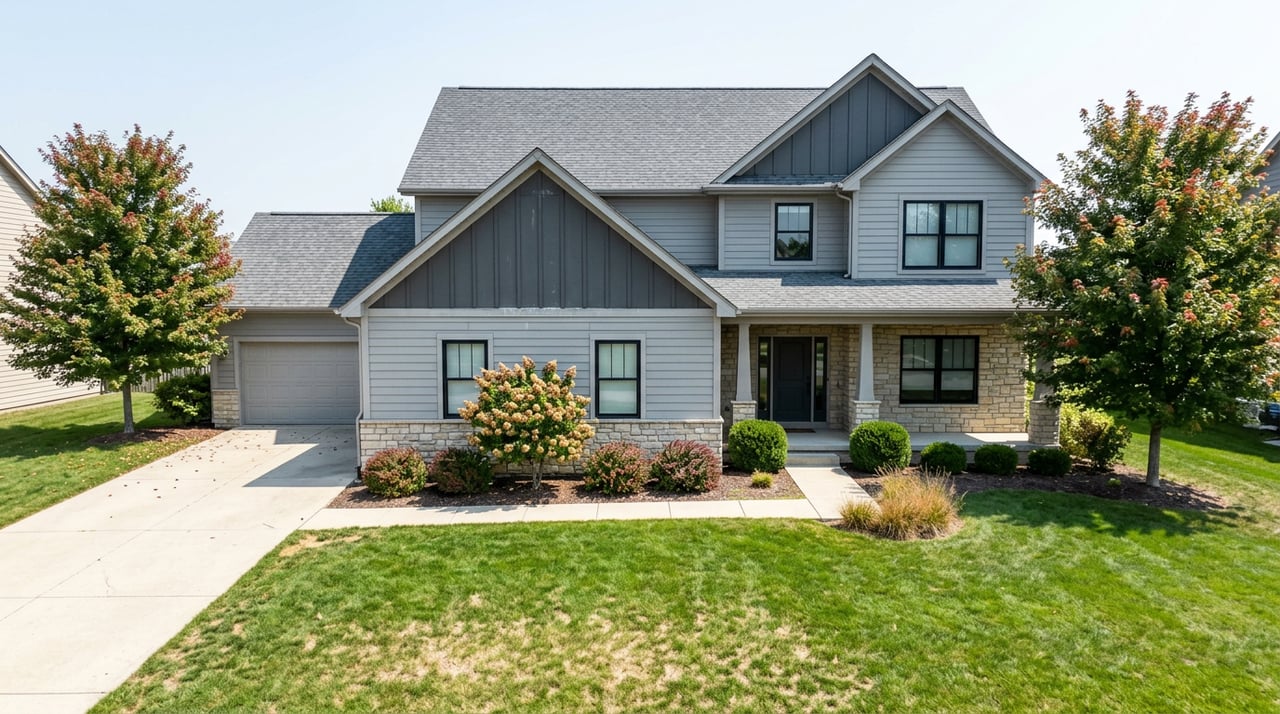
That's the asymmetry. A buyer touring new construction in June saw a lawn that looked finished. A buyer touring a ten-year-old resale listing two streets over saw grass that had gone dormant under a rule the seller had no way around. Both homes were equally compliant with the law. Only one of them looked like it.
The first CIWW watering ban ran through the summer of 2025. This one started earlier in the season and, based on nitrate readings, was driven by conditions that built up over the winter rather than a sudden summer spike. Agricultural runoff is the primary source of the nitrate load feeding into the Raccoon and Des Moines Rivers, according to Iowa's own Nutrient Reduction Strategy, and that's not a condition that resolves itself in a single growing season.
None of this means a ban is guaranteed every year. It does mean that anyone planning a summer listing in Ankeny should stop treating a June or July watering restriction as a fluke and start treating it as a recurring seasonal risk, the same way you'd plan around a snowy February closing or a slow holiday-week showing calendar.
A brown lawn during a ban isn't a defect. It isn't something a home inspector will flag, and it isn't something a buyer's agent should be using to negotiate price on a home that's otherwise well maintained. But perception still drives first impressions, and first impressions still drive offers. A few things actually help:
Time your listing photos deliberately. If you know a ban is active or likely, shoot exterior photos in early morning light when dormant grass looks less washed out, and lean on flowering shrubs, mulched beds, and hardscaping rather than turf to carry the curb appeal.
Say something, briefly, in the listing remarks. A single sentence noting that the lawn is dormant due to regional water restrictions, not a maintenance issue, does more to reassure a buyer than silence does. Buyers fill gaps with worse assumptions than the truth usually warrants.
Don't chase new-construction green with illegal watering. The exemption applies to newly installed sod and seed specifically. Watering an established lawn to compete with a new-build listing during a mandatory ban can also bring neighbor complaints.
Ask your agent to frame it for buyers verbally during showings. A brief, factual mention that the ban affected watering region-wide, not just this property, keeps the conversation where it belongs.
If you're touring homes in Ankeny during a restriction period, a dormant lawn tells you almost nothing about the house behind it. What's worth actually checking is whether the lawn recovers with normal fall watering once restrictions lift, which most established Iowa lawns will do without reseeding. What's worth checking more carefully is drainage and grading, especially on newer construction, since a brand new lawn hides foundation grading problems that an established, stressed lawn sometimes reveals through uneven wear patterns.
If you're comparing a new-construction listing against a resale listing side by side this summer, keep in mind that the new build's green lawn may simply reflect a watering exemption rather than superior maintenance or a healthier lot. It's a detail, not a red flag, but it's the kind of detail that should stay out of your price comparison entirely.
Is a brown lawn during a watering ban a sign of a bigger problem with the house? Not on its own. Dormant turf during a mandatory restriction is a regional condition, not a property-specific one, and established Kentucky bluegrass and fescue lawns common in Ankeny typically green back up once normal watering resumes.
Will Ankeny see another watering ban next summer? There's no way to know that with certainty. What's documented is that this was the second consecutive year CIWW has issued one, driven by nitrate levels that built up over the winter rather than a single hot spell, so sellers planning a summer listing should treat the possibility as a real planning variable rather than an unlikely event.
Selling a home during a season with restrictions attached isn't a reason to wait, and buying one shouldn't come with a discount you haven't earned the right to ask for. It just means the plan needs one more layer than it used to. If you're weighing a listing timeline in Ankeny, or trying to read what a lawn is and isn't telling you on a showing, I'd rather walk through it with you before you're standing in front of it wondering. Laura Major has spent years helping Central Iowa buyers and sellers separate what actually matters from what just looks like it does. Let's Connect.
This article is general information, not legal, tax or financial advice. Consult a qualified professional about your situation.
October 15, 2026

October 8, 2026

October 1, 2026
September 24, 2026
September 17, 2026
September 10, 2026
September 3, 2026
August 27, 2026

August 20, 2026
Every home has a story, and every client deserves a strategy that's uniquely their own. With dedicated guidance, market insight, and a commitment to exceptional service, you'll have the support you need to achieve the best possible outcome.